

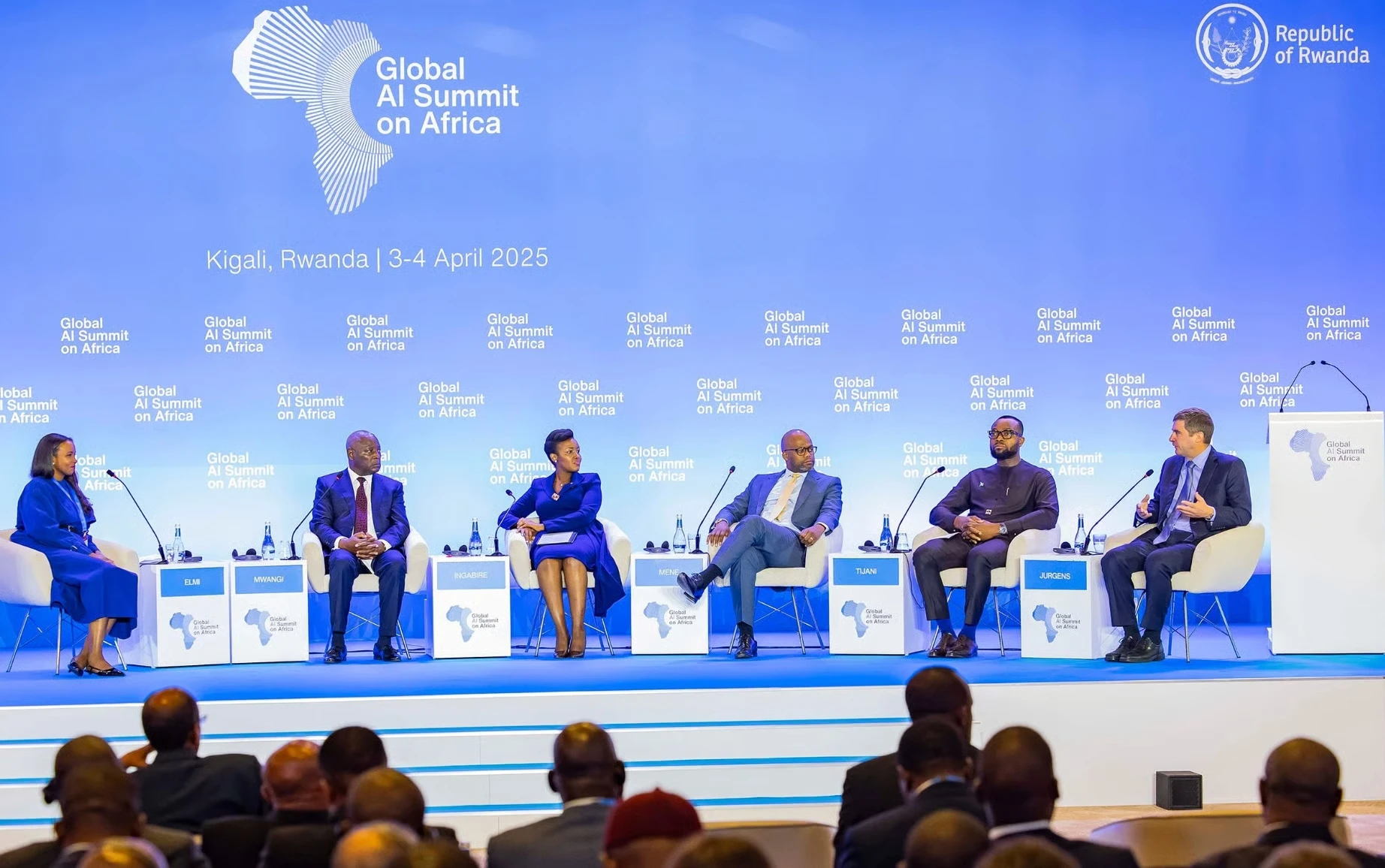
Enza Capital is pursuing a dedicated fund for African artificial intelligence businesses, with an investment case centred on local knowledge and commercial usefulness rather than the costliest frontier-model competition.
In a 2 November interview with TechCabal, reproduced by HCNTimes, managing partner Mike Mompi described opportunities in African languages, proprietary datasets and products embedded in customers’ daily work.
The size of the new fund was not disclosed. The US$58 million mentioned in that reporting refers to Enza’s first two funds, not a confirmed amount for the AI vehicle.
Where the firm sees an advantage
The interview describes a strategy shaped by operating conditions that global products can overlook: language switching, local accents, limited connectivity and the cost of running models. Mompi said the firm had made 11 AI investments and was working on a twelfth.
Enza’s own website lists AI among its sectors and describes a broader investment range from pre-seed through Series B. Those general terms should not be assumed to be the new fund’s specific eligibility rules or cheque sizes.
A sharper question for founders
For a Zimbabwean founder assessing this thesis, the useful exercise is to name the advantage a customer would still pay for if the underlying AI model became widely available.
A product might understand a difficult local workflow, reach customers through an existing business relationship or solve a language problem that a generic interface handles poorly. Those are possible business advantages to demonstrate, rather than automatic benefits of building in Africa.
Consider a hypothetical voice assistant for a local service provider. A polished demonstration would show that a conversation is possible. A stronger commercial case would show that people complete the task, that mistakes can be corrected and that serving each customer leaves enough margin to sustain the service.
Costs belong in the pitch
STACKWIRE’s assessment is that founders should explain their economics at the same level of detail as their model choice. A business needs room for support, failed requests, human review and changes in usage, as well as successful responses.
That makes the announcement useful beyond the companies that eventually receive investment. It offers a practical lens for evaluating AI products: who needs the result, what makes the solution difficult to replace and can the business afford to deliver it repeatedly?
The material reviewed does not confirm a Zimbabwe application window or a dedicated allocation for local startups. Founders should establish the fund’s current mandate directly rather than treat a continental investment thesis as an open funding offer.



Discussion
0 Comments
No approved comments yet. Start the conversation.